
 AsimAli
A Liquid Packing Machine is an essential system used in modern industries to pack beverages like water, juice, milk, and soft drinks efficiently and hygienically.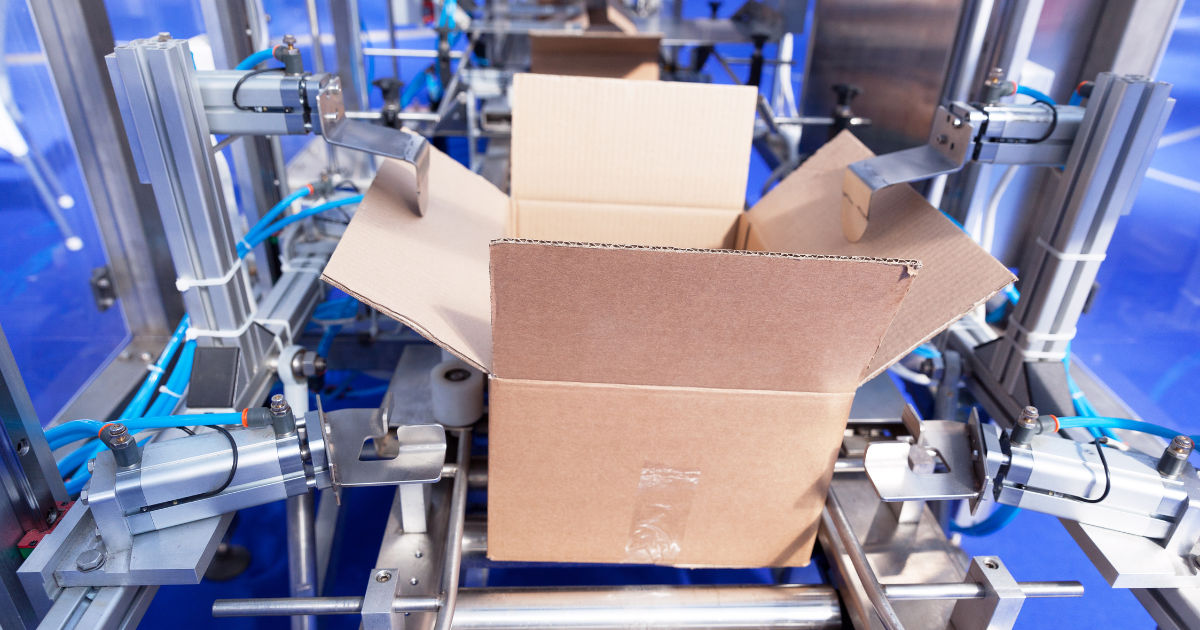
A Liquid Packing Machine helps automate the filling, sealing, and packaging process while maintaining product safety and speed. In today’s fast-moving production world, a Liquid Packing Machine plays a key role in ensuring beverages are packed in a clean, consistent, and cost-effective way.
In this guide, we will explore how a Liquid Packing Machine operates, its components, working principles, types, benefits, and real-world applications in detail.
What Is a Beverage Packing Machine?
A beverage packing machine is industrial equipment designed to fill liquid beverages into bottles, pouches, or containers and then seal them securely.
A Liquid Packing Machine is widely used in beverage factories because it ensures hygiene, reduces human error, and increases production speed. Whether it is bottled water or flavored drinks, a Liquid Packing Machine guarantees uniform filling and packaging quality.
Modern production lines rely heavily on a Liquid Packing Machine to meet high demand and maintain consistent product standards.
Working Principle of a Liquid Packing Machine
The working principle of a Liquid Packing Machine is based on automation, precision, and hygiene control.
A Liquid Packing Machine follows a simple process:
- Liquid storage and feeding
- Measuring and filling
- Sealing or capping
- Labeling and output
Each stage is controlled by sensors and automated systems. A Liquid Packing Machine ensures that every container receives the exact amount of liquid without spilling or contamination.
A Liquid Packing Machine also uses pressure control or gravity filling depending on the type of beverage.
Key Components of a Liquid Packing Machine
A Liquid Packing Machine consists of several important parts that work together to complete the packaging process.
1. Liquid Storage Tank
The storage tank holds the beverage before it is filled. A Liquid Packing Machine uses this tank to maintain continuous flow.
2. Filling Nozzles
These nozzles control the amount of liquid dispensed. A Liquid Packing Machine ensures accurate filling through calibrated nozzles.
3. Conveyor Belt
A Liquid Packing Machine uses conveyor systems to move bottles or pouches from one station to another.
4. Control Panel
The control panel manages the entire operation. Operators can adjust settings in a Liquid Packing Machine easily.
5. Sealing Unit
This unit seals containers to prevent leakage. A Liquid Packing Machine ensures airtight packaging.
6. Sensors and Automation System
Sensors in a Liquid Packing Machine detect position, liquid level, and filling accuracy.
Step-by-Step Operation of a Liquid Packing Machine
Understanding the operation of a Liquid Packing Machine helps explain how beverages are packed efficiently.
Step 1: Feeding the Liquid
The beverage is first stored in a tank and then fed into the system. A Liquid Packing Machine ensures smooth flow without contamination.
Step 2: Container Positioning
Empty bottles or pouches are placed on the conveyor. A Liquid Packing Machine aligns them correctly for filling.
Step 3: Filling Process
The filling nozzles release a measured amount of liquid. A Liquid Packing Machine ensures precision in every container.
Step 4: Sealing Process
After filling, containers are sealed immediately. A Liquid Packing Machine prevents leakage and contamination.
Step 5: Labeling and Coding
Labels and batch codes are applied. A Liquid Packing Machine ensures product identification and branding.
Step 6: Final Output
The finished products are collected for packaging and distribution. A Liquid Packing Machine ensures smooth output flow.
Types of Liquid Packing Machines
There are different types of Liquid Packing Machine systems used in the beverage industry.
1. Automatic Liquid Packing Machine
A fully automated Liquid Packing Machine performs all tasks without manual help.
2. Semi-Automatic Liquid Packing Machine
This type of Liquid Packing Machine requires some manual operation but still improves efficiency.
3. Pouch Packing Machine
A Liquid Packing Machine designed for flexible pouches is widely used for juices and milk.
4. Bottle Filling Machine
This Liquid Packing Machine fills liquids into plastic or glass bottles.
5. Volumetric Filling Machine
A Liquid Packing Machine that fills based on fixed volume measurements.
6. Gravity Filling Machine
A Liquid Packing Machine that uses gravity to fill low-viscosity liquids like water.
Benefits of Using a Liquid Packing Machine
A Liquid Packing Machine provides many advantages to beverage manufacturers.
High Efficiency
A Liquid Packing Machine can process thousands of bottles per hour.
Hygienic Packaging
A Liquid Packing Machine reduces human contact, ensuring cleanliness.
Accurate Filling
A Liquid Packing Machine delivers precise quantities every time.
Cost Reduction
A Liquid Packing Machine reduces labor costs and material waste.
Consistency
A Liquid Packing Machine ensures uniform product quality.
Faster Production
A Liquid Packing Machine speeds up the entire packaging process.
Applications of Liquid Packing Machines
A Liquid Packing Machine is used in various industries beyond beverages.
Beverage Industry
Soft drinks, juices, water, and energy drinks rely on a Liquid Packing Machine.
Dairy Industry
Milk and yogurt drinks are packed using a Liquid Packing Machine.
Pharmaceutical Industry
Liquid medicines are filled using a sterile Liquid Packing Machine.
Chemical Industry
Cleaning liquids and chemicals use a Liquid Packing Machine for safe packaging.
Food Industry
Sauces, oils, and syrups are packed using a Liquid Packing Machine.
Maintenance of a Liquid Packing Machine
Proper maintenance ensures long-term performance of a Liquid Packing Machine.
Regular Cleaning
A Liquid Packing Machine must be cleaned daily to avoid contamination.
Lubrication
Moving parts of a Liquid Packing Machine need proper lubrication.
Inspection of Nozzles
Nozzles in a Liquid Packing Machine must be checked for blockages.
Sensor Calibration
A Liquid Packing Machine requires accurate sensor calibration for precise filling.
Software Updates
Modern Liquid Packing Machine systems may require periodic software updates.
Safety Features of a Liquid Packing Machine
Safety is an important part of any Liquid Packing Machine system.
Emergency Stop System
A Liquid Packing Machine includes emergency stop buttons for safety.
Overload Protection
A Liquid Packing Machine prevents damage from electrical overload.
Leak Detection
Sensors in a Liquid Packing Machine detect leaks immediately.
Operator Safety Guards
Physical barriers in a Liquid Packing Machine protect workers from moving parts.
Challenges in Using a Liquid Packing Machine
Even though a Liquid Packing Machine is highly efficient, there are some challenges.
High Initial Cost
A Liquid Packing Machine requires a large initial investment.
Maintenance Needs
A Liquid Packing Machine needs regular servicing.
Technical Training
Operators must be trained to handle a Liquid Packing Machine properly.
Machine Downtime
A Liquid Packing Machine may stop due to mechanical issues.
Future of Liquid Packing Machine Technology
The future of the Liquid Packing Machine industry is moving toward smarter automation.
AI Integration
Future Liquid Packing Machine systems will use AI for better accuracy.
IoT Connectivity
A Liquid Packing Machine will be connected to smart monitoring systems.
Energy Efficiency
New Liquid Packing Machine models will consume less power.
Faster Production Lines
Advanced Liquid Packing Machine systems will increase speed and output.
Conclusion
A Liquid Packing Machine is a vital part of modern beverage production systems. It ensures that liquids are packed efficiently, safely, and with high precision. From filling to sealing, a Liquid Packing Machine automates every step of the packaging process.
Industries depend heavily on a Liquid Packing Machine to maintain hygiene standards, reduce costs, and increase productivity. As technology advances, a Liquid Packing Machine will become even more intelligent, faster, and more energy-efficient.
In summary, understanding how a Liquid Packing Machine operates helps us appreciate the complex yet efficient systems behind everyday packaged beverages.

 quadro_bike