
 AsimAli
Storing female cloths properly is more than just a matter of tidiness; it is essential to maintain their quality, longevity, and appearance. Every woman wants her favorite dresses, tops, and accessories to stay fresh, wrinkle-free, and damage-free for years.
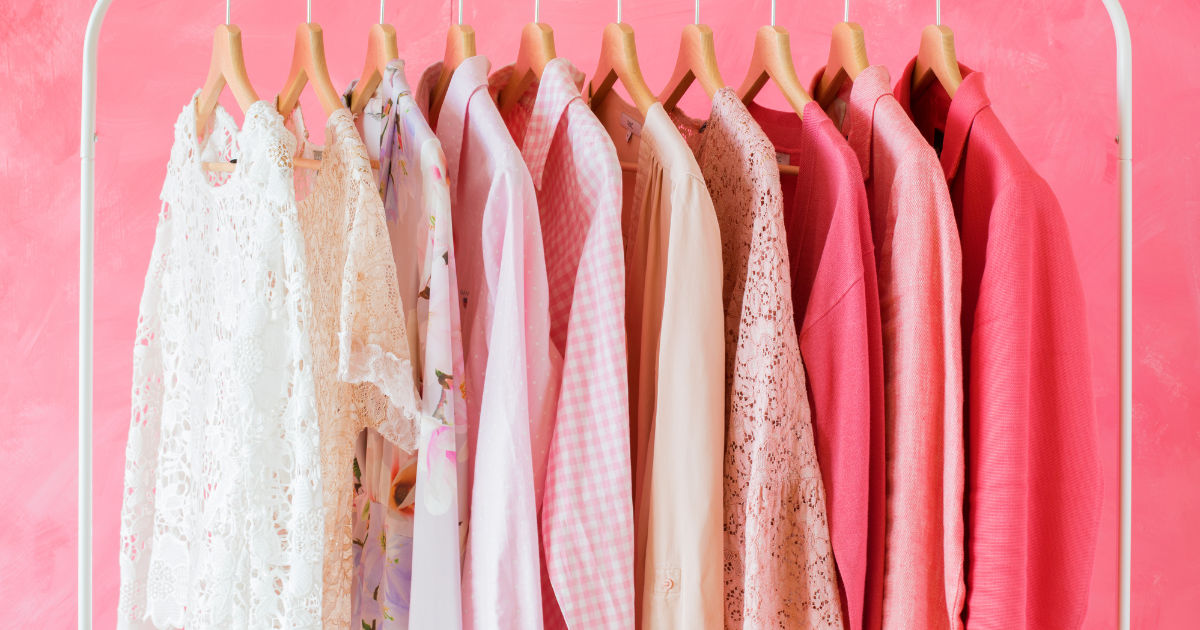
Unfortunately, poor storage practices can lead to color fading, stretching, fabric tears, and even permanent stains.In this guide, we will explore the most effective female cloths storage solutions to prevent damage.
From the basics of closet organization to advanced tips for delicate fabrics, this comprehensive guide will help you safeguard your wardrobe efficiently.
Common Problems in Female Clothes Storage
Before diving into storage solutions, it is important to understand the common problems that female cloths face. Awareness is the first step to prevention.
Wrinkles and Creases
Improper folding or cramming your clothes into drawers can cause deep wrinkles. These are not only unsightly but can also weaken the fabric over time.
Fabric Damage
Some fabrics, like silk and wool, are highly sensitive to friction, moisture, and sunlight. Incorrect storage can cause pilling, tearing, and fading.
Color Fading
Exposure to sunlight and artificial light can fade vibrant colors in female cloths. Hanging delicate or colored garments near windows can gradually diminish their brightness.
Mold and Mildew
Humidity is a major enemy of wardrobe health. Moist environments encourage mold and mildew growth, which can permanently damage fabrics and create unpleasant odors.
Pest Infestation
Clothes moths and silverfish are notorious for damaging female cloths, particularly wool, cashmere, and silk. Proper storage techniques are necessary to prevent such infestations.
Choosing the Right Storage Space
Selecting an appropriate storage space is the foundation of effective wardrobe care.
Temperature and Humidity Control
Ideal storage spaces are cool, dry, and well-ventilated. Avoid damp basements, attics with temperature fluctuations, or direct sunlight exposure. Maintaining moderate humidity prevents mold and keeps fabrics fresh.
Space Accessibility
Ensure your storage area allows easy access to all your garments. Overcrowded closets not only create wrinkles but also make it difficult to locate items, leading to more frequent mishandling.
Lighting Considerations
Natural light can fade your female cloths, while fluorescent or LED lighting is generally safer. For long-term storage, consider using garment covers or boxes to shield your clothes from excessive light.
Best Practices for Hanging Female Clothes
Hanging clothes may seem straightforward, but improper hanging can stretch and distort garments over time.
Choosing the Right Hangers
-
Wooden Hangers: Perfect for heavy coats, jackets, and structured dresses. They maintain the shape and prevent slouching.
-
Padded Hangers: Ideal for delicate fabrics like silk or lace to avoid shoulder marks.
-
Slim Velvet Hangers: Save space and prevent clothes from slipping.
Proper Hanging Techniques
-
Avoid overcrowding. Leave space between garments to allow air circulation.
-
Hang clothes according to length to prevent layering damage. Long dresses should not brush against the floor.
-
Fasten buttons and zippers to maintain garment shape and prevent snagging.
Special Considerations
-
Dresses with Spaghetti Straps: Use hangers with notches to prevent slipping.
-
Heavy Sweaters: Folding is better to prevent stretching.
Folding Techniques for Female Clothes
Folding is not just about saving space; it is about protecting your female cloths from damage.
Basic Folding Tips
-
Smooth out wrinkles before folding.
-
Avoid tight or aggressive folds that can create permanent creases.
-
Store folded items in drawers with dividers to maintain organization.
Rolling Method
-
Ideal for t-shirts, leggings, and casual wear.
-
Rolling reduces creases and maximizes drawer space.
-
Place rolled clothes vertically for easy visibility.
Special Fabrics
-
Knitwear: Fold sweaters horizontally to avoid shoulder stretching.
-
Silk and Delicate Fabrics: Use acid-free tissue paper to fold and prevent creasing.
Using Storage Boxes and Bins
Storage boxes and bins are excellent for seasonal clothes or garments not in regular rotation.
Choosing the Right Material
-
Plastic Bins: Protect against moisture and pests. Opt for airtight options for long-term storage.
-
Fabric Bins: Breathable and ideal for delicate items, but avoid damp areas.
-
Vacuum-Sealed Bags: Great for bulky winter clothes, but avoid using on delicate fabrics that need air circulation.
Organizing Boxes
-
Label each bin clearly for easy retrieval.
-
Place frequently used items on top for convenience.
-
Use dividers or smaller boxes to separate accessories like scarves, belts, or lingerie.
Protecting Clothes from Pests
Pests can destroy your female cloths quickly if preventive measures are not taken.
Natural Repellents
-
Cedar blocks or lavender sachets repel moths and silverfish.
-
Replace sachets regularly to maintain effectiveness.
Regular Cleaning
-
Wash clothes before storing, especially winter wear.
-
Dust and vacuum storage areas frequently.
Pesticide Precautions
-
Avoid chemical sprays directly on fabrics.
-
Use enclosed containers or bags for sensitive items instead.
Seasonal Storage Tips
Seasonal rotation is essential for keeping wardrobes functional and safe from damage.
Summer Clothes
-
Store winter coats, sweaters, and heavy fabrics in breathable bins or vacuum bags.
-
Ensure summer clothes are clean and dry before storing.
Winter Clothes
-
Clean and fold light dresses, tops, and skirts.
-
Consider garment bags for delicate winter coats to prevent dust accumulation.
Specialized Storage for Delicate Female Clothes
Some female cloths require extra attention to maintain their quality.
Silk and Satin
-
Avoid direct sunlight.
-
Use padded hangers or fold with tissue paper.
-
Do not overcrowd drawers or closets.
Wool and Cashmere
-
Fold instead of hanging to prevent stretching.
-
Store with cedar balls to repel moths.
-
Avoid placing heavy items on top.
Embellished and Beaded Clothes
-
Store flat in acid-free tissue paper.
-
Avoid folding along embellishments to prevent damage.
Lingerie and Intimate Wear
-
Store in separate drawers or dividers.
-
Use mesh or cloth pouches for delicate lace.
Closet Organization Ideas
Organizing your closet efficiently not only protects your female cloths but also simplifies daily dressing.
Color Coding
-
Sort clothes by color for easy access.
-
Helps in spotting faded or damaged items early.
Category Sorting
-
Separate tops, bottoms, dresses, and outerwear.
-
Maintain uniform hanger types within each category for a neat appearance.
Use of Accessories
-
Hooks for belts, scarves, and ties.
-
Drawer dividers for socks, lingerie, and smaller items.
Travel Storage Solutions
Even when traveling, proper storage techniques help protect your female cloths.
Packing Cubes
-
Organize clothes by category or day.
-
Reduce wrinkles and maximize luggage space.
Garment Bags
-
Ideal for dresses, coats, and delicate fabrics.
-
Protects clothes from dirt, moisture, and folding damage.
Rolling vs Folding
-
Roll casual wear to save space.
-
Fold and layer delicate fabrics with tissue paper for extra protection.
Maintenance Tips for Long-Lasting Clothes
Preventing damage is an ongoing process. These small habits can make a big difference.
Regular Inspection
-
Check stored clothes every few months for mold, pests, or fading.
-
Refold or rotate items to prevent permanent creases.
Cleaning Before Storage
-
Always wash or dry-clean clothes before storing.
-
Stains left untreated can set permanently over time.
Avoid Overloading
-
Never cram too many clothes into one space.
-
Overcrowding leads to wrinkles, stretching, and damage.
Air Out Occasionally
-
Open drawers, boxes, or closet doors occasionally to allow fresh air circulation.
Eco-Friendly Storage Solutions
Being eco-conscious doesn’t mean compromising on clothes protection.
Reusable Storage Bags
-
Fabric bags instead of single-use plastics.
-
Breathable and gentle on fabrics.
Repurposing Household Items
-
Shoeboxes and baskets for smaller clothes or accessories.
-
Drawer dividers made from cardboard or recycled materials.
Sustainable Hangers
-
Wooden or bamboo hangers are environmentally friendly and durable.
Conclusion
Proper storage of female cloths is crucial to maintain their appearance, quality, and longevity. From understanding the common risks such as wrinkles, fabric damage, color fading, pests, and mold to implementing effective storage solutions, every step matters. Whether using hangers, folding techniques, storage boxes, seasonal rotation, or eco-friendly methods, the goal is to protect your wardrobe while keeping it accessible and organized.
By adopting these storage practices, you not only extend the life of your female cloths but also ensure that your wardrobe remains fresh, elegant, and ready to wear. Remember, a well-organized closet reflects a thoughtful approach to fashion and self-care. With these practical tips, your clothes can stay as vibrant and damage-free as the day you bought them.
Investing time in proper storage is an investment in your wardrobe’s future. Every piece deserves care, and these strategies make it easier to preserve beauty, functionality, and style.

 ahead_time