
 sarcastic_guy
Kickstart: Why Speed Matters in Automated Warehouses
Here’s the truth: your warehouse doesn’t need more hardware, it needs sharper control. Robotics software sits at the core of that control, deciding who moves, when, and why. Many teams try to brute-force capacity, but modern software for automated warehouses can unlock speed you already paid for. Picture the morning wave: carriers at the dock, AMRs warming up, WMS firing tickets. Yet pallets still queue. Studies show small stalls compound fast; a few seconds per task can cost hours by end of day. So the real question is simple: how do you make flow inevitable, not hopeful?
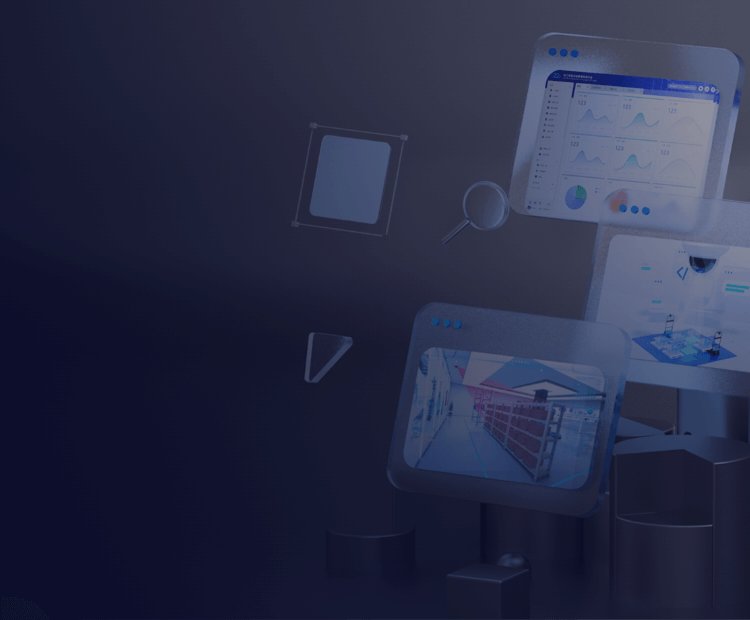
We start by dialing in the system brain—routing, timing, and handoffs—so every pick and put-away lands clean. That’s where SLAM accuracy, AMR fleet logic, and task orchestration meet the floor. (No fluff, just results.) If you’ve been wrestling with gaps between WMS and robots, you’re not alone. Let’s turn that friction into throughput. Onward to the core problems and how to fix them.
The Hidden Cost of “Good Enough” Logic
What’s jamming your flow?
Traditional warehouse control stacks assume stable paths and fixed priorities. Reality is messy. Bins move, aisles clog, sensors drift, and human tasks collide with robot routes. Old rules get brittle, and the fleet scheduler keeps trying the same play. That’s why you see idle AMRs next to overworked ones—funny how that works, right? The flaws show up as micro-delays: MQTT messages dropped without proper QoS, OPC-UA tags mapped once and never revisited, or PLC handshakes that add seconds on every lift. It looks small. It adds up big. Edge computing nodes can help, but only if the orchestration layer knows when to push decisions to the edge and when to centralize.
There’s also integration sprawl. One vendor’s API speaks batches; another wants streams. Your ROS2 pipeline expects timestamps that your WMS doesn’t send. Then you patch it. Then you patch the patch— and yes, that hurts. The result is fragility under peak load. Look, it’s simpler than you think: the system needs live priorities, congestion-aware path planning, and feedback loops that update every second, not every shift. When the software can change task cost on the fly, reroute around a blocked bay, and re-slot picks based on actual heat maps, throughput rises without buying a single new robot.
From Static Rules to Adaptive Flow: What Changes Next
What’s Next
We’re moving from “set it and forget it” to adaptive orchestration built on new principles. Think of it like this: instead of rigid scripts, the engine learns each hour which aisle churns, which dock backs up, and which picker-robot pairing hits the best rate. A digital twin mirrors your floor state, feeding the path planner with live constraints. Robots reroute in seconds when RTLS shows a choke point. The WMS hands off intents, not just jobs, and the execution layer turns those intents into optimally timed tasks. With modern software for automated warehouses, you get continuous recalculation, not a nightly reset. That means better slotting, cleaner battery cycles, steadier charger use, and fewer spikes that hammer your power converters.
Here’s the comparative shift. Old stacks optimize per robot; new stacks optimize the whole flow. Old stacks push static queues; new stacks use event-driven triggers and confidence scores. Old stacks treat variance as noise; new stacks treat it as signal. The payoff is clarity: fewer deadheads, fewer aisle conflicts, faster exception clears. And yes, better human rhythm—operators see what matters now, not what mattered an hour ago. One more thing—decisions become explainable. When the system chooses a longer path to avoid a cross-traffic surge, you see the reason, the time saved, and the fallback plan. That builds trust, which keeps adoption high.
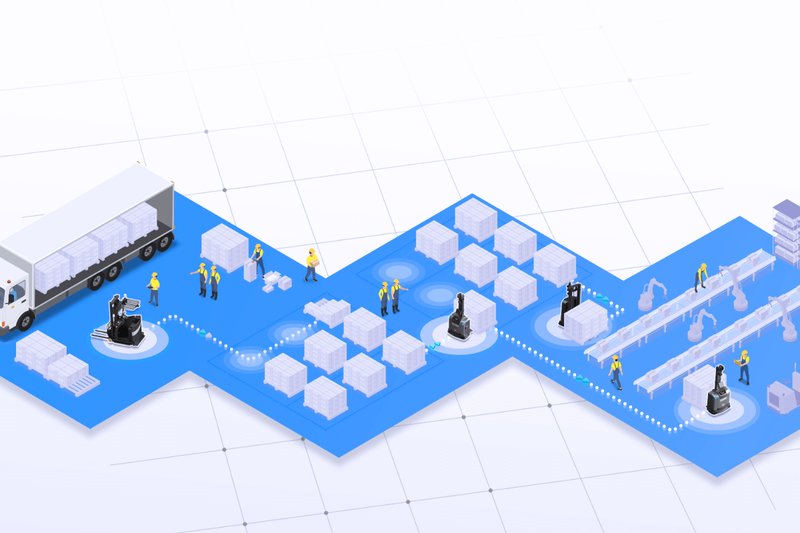
If you’re choosing a path forward, use three tight metrics. 1) Coordination latency: measure API-to-action time under load; aim for consistent sub-second responses during peaks. 2) System resilience: track recovery time from sensor faults or node drops; seconds, not minutes. 3) Fleet efficiency: monitor empty travel and queue time per task, not just raw throughput. With these in place, comparison gets simple, decisions get clean, and scaling gets sane. In short, keep your eye on flow, not just features—and let the software prove it in your live data. For a deeper look at approaches shaping this space, see SEER Robotics.

 Ethan Riley
 quadro_bike