
 AsimAli
Healthy, shiny, and manageable hair starts with a consistent hair care routine. However, choosing the right products and knowing how to use them correctly can sometimes be confusing. Different hair types require different levels of moisture, nourishment, and protection. A suitable routine can help improve the appearance of your hair while making everyday styling easier.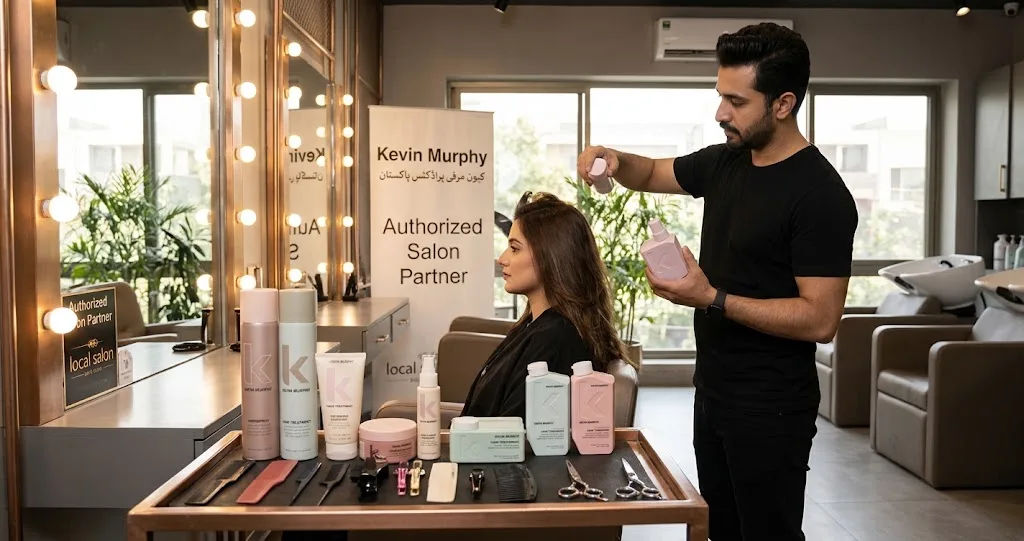
For people who want to maintain beautiful hair without spending hours on complicated treatments, prime pro hair products pakistan can be a useful topic to explore. Understanding how professional hair care products fit into a daily routine helps you select suitable formulas, apply them correctly, and avoid unnecessary product buildup. The key is to match each product with your hair type, lifestyle, and styling habits.
Whether your hair is dry, oily, frizzy, damaged, curly, or naturally straight, a thoughtful routine can make a difference. You do not necessarily need to use several products every day. Instead, focus on cleansing, conditioning, protecting, and styling your hair according to its actual needs.
This comprehensive guide explains how to build a practical routine, how to use different types of hair care products, and what to consider when choosing products in Pakistan.
Your Hair Care Needs
Before adding professional hair care products to your routine, take some time to understand your hair and scalp. The most expensive product is not automatically the best choice for everyone.
Your hair's condition, texture, thickness, and natural oil production all influence which products will work best.
Identify Your Hair Type
Hair can generally be classified as straight, wavy, curly, or coily. Each type has different care requirements.
Straight hair often becomes oily more quickly because natural scalp oils can travel down the hair shaft relatively easily. Lightweight shampoos and conditioners may work well for this hair type.
Wavy hair can experience frizz, dryness, or a combination of oily roots and dry ends. A balanced routine that cleanses the scalp while moisturizing the lengths can help maintain its natural shape.
Curly and coily hair often needs additional moisture because natural oils may not travel easily along the curves of each strand. Conditioning products and suitable leave-in treatments can help improve softness and manageability.
You should also consider whether your hair is fine, medium, or thick. Fine hair can become weighed down by heavy creams, while thicker hair may benefit from richer conditioning products.
Examine Your Scalp Condition
Your scalp deserves as much attention as the hair itself.
If your scalp becomes oily within a day, you may need to wash more frequently. If it feels dry or tight after shampooing, consider a gentler cleanser.
People who experience persistent itching, redness, or heavy flaking should avoid assuming that styling products will solve the problem. A dermatologist can help identify the cause and recommend appropriate treatment.
A healthy routine begins with understanding these differences rather than following the same steps as everyone else.
Choosing the Right Prime Pro Hair Products Pakistan
Selecting products should involve more than looking at packaging or following popular recommendations. Check the product's purpose, ingredients, directions, and suitability for your hair type.
When exploring prime pro hair products pakistan, consider the specific result you want to achieve. You might need better moisture retention, smoother styling, improved shine, or protection from heat.
Select a Suitable Shampoo
Shampoo removes excess oil, sweat, dirt, and styling residue from the scalp and hair.
If your scalp is oily, a suitable cleansing shampoo may be necessary more frequently. For dry or chemically treated hair, a gentler formula may help reduce additional dryness.
Apply shampoo primarily to your scalp instead of aggressively rubbing it through the entire length of your hair. The lather that travels down the strands during rinsing is usually sufficient to clean the lengths.
Use lukewarm water rather than very hot water, which can contribute to dryness and irritation.
Choose a Conditioner for Your Hair
Conditioner helps reduce friction, improve softness, and make wet hair easier to detangle.
Apply it mainly to the middle lengths and ends, especially if your roots become oily quickly. People with dry, curly, or thick hair may need conditioning closer to the roots, provided the product is suitable for that application.
Allow the conditioner to remain on your hair for the time stated on the packaging before rinsing.
Do not assume that leaving every conditioner in your hair for longer will produce better results. Different formulas are designed for different uses.
Consider Serums and Leave-In Treatments
Hair serums and leave-in conditioners can help improve smoothness, manageability, and shine.
A serum may be useful if your hair becomes frizzy or looks dull. A leave-in conditioner can provide additional conditioning, particularly for dry or textured hair.
These products are not interchangeable in every situation. A silicone-based smoothing serum, for example, may help reduce friction and improve the appearance of the hair surface, while a leave-in conditioner is generally intended to provide conditioning and moisture-related benefits.
Check the instructions before applying a product to wet or dry hair.
Building a Simple Daily Hair Care Routine
A successful routine does not have to be complicated. The goal is to keep your scalp clean, maintain suitable conditioning, and minimize damage caused by styling.
Your routine may change depending on the weather, exercise habits, and the condition of your hair.
Step One: Check Your Hair Before Styling
Start your morning by checking whether your hair is oily, dry, tangled, or frizzy.
If your scalp feels clean and your hair is manageable, you may not need to shampoo that day. Washing unnecessarily can make some hair types feel drier, although oily scalps may benefit from frequent cleansing.
For minor tangles, use your fingers or a suitable wide-tooth comb. Work gently from the ends toward the roots to avoid pulling and breakage.
If your hair is curly, consider detangling it while it is damp and coated with conditioner or an appropriate detangling product.
Step Two: Cleanse When Necessary
Shampooing is an important part of hair care, but daily shampooing is not essential for everyone.
People who sweat heavily, exercise regularly, or have oily scalps may prefer frequent washing. Those with dry, curly, or textured hair may need less frequent cleansing.
Choose a schedule that keeps your scalp comfortable without leaving your hair excessively dry.
Massage shampoo gently into the scalp with your fingertips. Avoid scratching with your nails because this can irritate the skin.
Rinse thoroughly to remove the remaining product.
Step Three: Condition After Shampooing
After cleansing, apply a suitable conditioner to the areas that need it.
For most people, the middle lengths and ends require more conditioning than the scalp. Distribute the product evenly and allow it to work according to the label.
Rinse well unless you are using a leave-in formula.
If your hair remains tangled, consider using a suitable detangling product rather than pulling through knots with excessive force.
Step Four: Dry Your Hair Carefully
Wet hair can be more vulnerable to mechanical damage, so gentle drying is important.
Instead of rubbing your hair vigorously with a towel, press the towel against it to absorb excess water. A soft microfiber towel may also help reduce friction.
If you have time, allow your hair to air-dry partially before styling.
When using a blow-dryer, choose a moderate heat setting and keep the dryer moving. Avoid holding concentrated heat against one section for an extended period.
Step Five: Apply Styling Products Correctly
Once your hair is damp or dry, depending on the product instructions, apply the styling products that match your goals.
Use a small amount of serum on the lengths and ends if you need extra smoothness. Apply leave-in conditioner where additional conditioning is needed.
For products that provide heat protection, follow the directions and distribute the formula evenly before using hot styling tools.
Start with a small quantity. You can usually add a little more if needed, whereas removing excessive product may require washing your hair again.
How to Use Products According to Your Hair Type
A routine becomes more effective when you adjust it to your hair's natural characteristics.
For Dry and Frizzy Hair
Dry hair may feel rough, look dull, or become difficult to manage. Frizz can increase when the hair is exposed to humidity, friction, or damage.
Choose a suitable shampoo and a moisturizing conditioner. After washing, consider a leave-in conditioner or smoothing serum if the product is compatible with your hair.
Avoid applying several heavy products at once. Too much product may make your hair feel greasy without solving the underlying problem.
Use a wide-tooth comb when appropriate, and reduce unnecessary heat styling.
For Oily Hair
Oily hair benefits from a routine that keeps the scalp clean without creating unnecessary irritation.
Select a shampoo suitable for your scalp and wash as frequently as needed. There is no universal rule requiring everyone to shampoo only two or three times per week.
Apply conditioner mainly to the lengths and ends if your roots become greasy quickly.
Use lightweight styling products and avoid applying rich oils directly to the scalp unless there is a specific reason to do so.
If you are researching prime pro hair products pakistan for oily hair, prioritize suitable cleansing and lightweight conditioning rather than buying every product in a collection.
For Curly Hair
Curly hair often needs careful detangling and consistent conditioning.
Use a conditioner that provides enough slip to help you separate tangles gently. Depending on your curl pattern, a leave-in conditioner or curl-defining styling product may help maintain definition.
Avoid brushing dry curls aggressively if doing so causes excessive frizz or disrupts their shape.
Instead, experiment with gentle detangling when the hair is damp and use your fingers or a suitable wide-tooth comb.
Allow curls to dry naturally when practical, or use a diffuser with an appropriate heat setting.
For Fine or Thin Hair
Fine hair can become flat when too much product accumulates on the strands.
Choose lightweight conditioners and use small quantities of styling products. Concentrate richer formulas on the ends if they are dry.
Avoid layering multiple heavy creams, oils, and serums unless your hair genuinely needs them.
If you use styling products daily, cleanse your hair regularly enough to prevent buildup.
Remember that fine hair describes strand thickness, while thin hair describes lower hair density. They are related concerns but are not exactly the same.
Using Professional Hair Care Products for Styling
Styling products can help you achieve a particular look, but correct application is important for keeping hair manageable.
Different formulas serve different purposes, so always check the packaging rather than assuming every product can be used in the same way.
Apply Hair Serum in Small Quantities
Hair serum is commonly used to improve smoothness, reduce the appearance of frizz, and add shine.
Rub a small amount between your palms before spreading it over the hair. Focus on the middle lengths and ends.
Avoid applying too much near the roots, particularly if your scalp produces excess oil.
If the serum leaves your hair sticky, heavy, or greasy, reduce the amount or use it less frequently.
Use Heat Protectant Before Heat Styling
Heat protectants are designed to help reduce damage associated with hot styling tools when used as directed.
Apply a suitable heat protectant before using a straightener, curling iron, or blow-dryer. Follow the label for application method and drying requirements.
Do not assume that an ordinary shine serum provides adequate heat protection. Use a product specifically intended for that purpose.
Keep styling tools at the lowest effective temperature, and avoid repeatedly passing them over the same section.
Heat protection can reduce certain types of damage, but it does not make excessive heat completely harmless.
Use Hair Masks When Needed
A hair mask can provide more intensive conditioning than a regular conditioner, depending on its formula.
People with dry, damaged, or chemically treated hair may find occasional mask treatments helpful.
Follow the product instructions regarding application time and frequency. Some masks are intended for weekly use, while others have different recommendations.
You do not need to use a mask every day. Excessive conditioning can leave some hair types feeling heavy or coated.
Adjusting Your Hair Care Routine for Pakistan's Climate
Pakistan experiences a range of weather conditions, from hot summers and humid coastal environments to dry regions and cooler winters.
These differences can affect how your hair behaves and which products feel comfortable.
Managing Heat and Humidity
In humid weather, hair may absorb moisture from the air and become frizzy. This is particularly noticeable in naturally wavy and curly hair.
A lightweight smoothing product may help improve manageability. However, the ideal formula depends on your hair type and the ingredients it contains.
Avoid applying excessive amounts of oil or serum simply because the weather is humid. Heavy products can make your hair appear greasy.
If you spend considerable time outdoors, protect your hair from excessive sun exposure with a hat or another practical protective measure.
Caring for Hair During Dry Weather
Dry weather and indoor air conditioning can leave some hair types feeling less manageable.
Conditioner and suitable leave-in treatments may help improve softness and reduce friction.
If your hair feels rough after washing, consider whether your shampoo is too strong or whether you need a more suitable conditioning product.
Changing the amount or frequency of a product may be more useful than adding several new items to your routine.
Considering Water Quality
Water quality varies across Pakistan, and some areas have hard water containing higher levels of dissolved minerals.
Mineral deposits can contribute to residue on hair, depending on the water and products being used.
If your hair feels coated or looks dull despite regular cleansing, consider whether water quality may be contributing to the problem.
A suitable clarifying shampoo may help remove certain types of buildup. Follow its directions and avoid overusing it, particularly if your hair is dry or chemically treated.
Common Mistakes to Avoid When Using Hair Products
Even suitable products may disappoint when they are applied incorrectly or used too frequently.
Using Too Many Products at Once
Combining several shampoos, conditioners, serums, oils, and styling creams can make it difficult to understand what your hair actually needs.
It can also create buildup, particularly when products contain ingredients that accumulate on the hair.
Introduce one product at a time. Give yourself an opportunity to observe how your hair responds before adding another formula.
Applying Products Without Reading the Instructions
Some products are designed to be rinsed out, while others should remain in the hair.
Confusing these categories may cause discomfort, heaviness, or unwanted residue.
Check the instructions, recommended quantity, and intended application area before use.
Do not assume that a product is suitable for the scalp simply because it is marketed for hair care.
Expecting Immediate Hair Growth
Shampoos, conditioners, and styling products primarily support cleansing, conditioning, manageability, or the appearance of hair.
They should not automatically be expected to reverse hair loss or produce rapid growth.
Hair thinning can have many causes, including genetics, nutritional deficiencies, hormonal changes, and medical conditions.
If you experience sudden shedding, persistent thinning, or bald patches, seek advice from a qualified healthcare professional rather than relying exclusively on cosmetic products.
Ignoring Product Reactions
Stop using a product if it causes burning, persistent itching, redness, or a rash.
Check its ingredient list and seek medical advice if symptoms continue or become severe.
If you have a history of sensitivity, consider discussing new products with a dermatologist. A patch test performed according to appropriate product guidance may help identify some reactions, although it cannot guarantee that a product will never cause irritation.
How to Choose and Buy Hair Products in Pakistan
Choosing suitable products involves checking both the formula and the seller.
When shopping for prime pro hair products pakistan, look for clear product information, instructions, ingredient details, and appropriate packaging.
Buy from reputable retailers or authorized sellers whenever possible. Check the seal, batch information, expiry date where applicable, and any authenticity features provided by the manufacturer.
Be cautious about unusually low prices, unclear product descriptions, or sellers who cannot explain where their stock comes from.
Counterfeit or improperly stored cosmetics may not meet the same quality standards as genuine products.
Match Your Purchase to Your Budget
A good hair care routine does not require buying an entire product range at once.
Start with the essentials that address your main concerns. For many people, these include a suitable shampoo and conditioner.
Add a leave-in treatment, serum, heat protectant, or mask only when it serves a clear purpose.
Compare the cost per use rather than judging value by bottle size alone. A concentrated formula may last longer than a product that requires larger quantities.
Check Whether the Product Suits Your Routine
Think about how much time you have for daily styling.
If you prefer a simple routine, select products that are easy to apply and fit naturally into your morning or evening schedule.
If you frequently use heat tools, a suitable heat protectant may be more useful than an additional shine product.
If your hair is naturally curly, a compatible leave-in conditioner may offer more practical benefits than a heavy styling serum.
The best purchase is one that addresses a real need and can be used consistently as directed.
Creating a Practical Weekly Hair Care Schedule
Although some hair care steps happen daily, other treatments are only needed occasionally.
A flexible schedule helps you avoid overusing products.
Daily Care
Each day, check your scalp and hair before deciding what they need.
Gently detangle your hair, use a suitable styling product if necessary, and protect it from excessive heat and friction.
Wash your hair when your scalp needs cleansing rather than following an inflexible schedule.
If you use heat tools, apply an appropriate heat protectant according to its instructions.
Weekly Care
Once or twice a week, assess whether your hair needs additional conditioning or a different approach to cleansing.
Use a hair mask if your hair benefits from one and the product instructions support that frequency.
If styling residue accumulates, consider an appropriate clarifying treatment when needed.
Do not automatically use every treatment every week. Your hair's condition should guide the schedule.
Monthly Review
At the end of each month, consider how your routine is working.
Does your scalp feel comfortable? Is your hair easier to detangle? Have you noticed excessive dryness, buildup, or breakage?
Adjust the products or their frequency when necessary.
Remember that visible improvements in manageability may occur relatively quickly, while changes related to hair length and damage require more time.
Conclusion
Using professional hair care products effectively depends on understanding your hair, choosing suitable formulas, and applying them correctly. A consistent routine does not need to involve expensive treatments or a large collection of products. In most cases, a balanced approach to cleansing, conditioning, drying, and styling provides a practical starting point.
When exploring prime pro hair products pakistan, begin by identifying your primary hair concern. Dry hair may benefit from additional conditioning, oily hair may need more frequent cleansing, and curly hair may require careful detangling and moisture management. Fine hair often responds better to lightweight products, while damaged hair may benefit from reduced heat styling and appropriate conditioning treatments.
For daily use, start with the basics. Cleanse your scalp when necessary, condition the lengths and ends, dry your hair gently, and use styling products in moderation. Apply heat protectant when using hot tools, and follow the instructions supplied with every product. Introduce new formulas gradually so you can identify which products genuinely improve your routine.
Pakistan's climate, water quality, and seasonal changes may also influence your hair care needs. Adjust your routine when the weather changes instead of assuming that the same products and quantities will work equally well throughout the year.
Finally, purchase products from trustworthy sellers, check their ingredients and instructions, and avoid expecting cosmetic products to solve every scalp or hair problem. Persistent itching, sudden hair loss, and significant thinning may require professional assessment.
With sensible product choices and consistent care, you can develop a routine that supports healthier-looking, softer, and more manageable hair without making everyday maintenance unnecessarily complicated.

 ahead_time