
 AsimAli
Glass Door Hardware plays an essential role in modern buildings, homes, offices, shopping malls, hotels, and commercial spaces. It is much more than a collection of metal accessories. Glass Door Hardware provides strength, stability, security, and smooth operation while improving the overall appearance of glass doors. 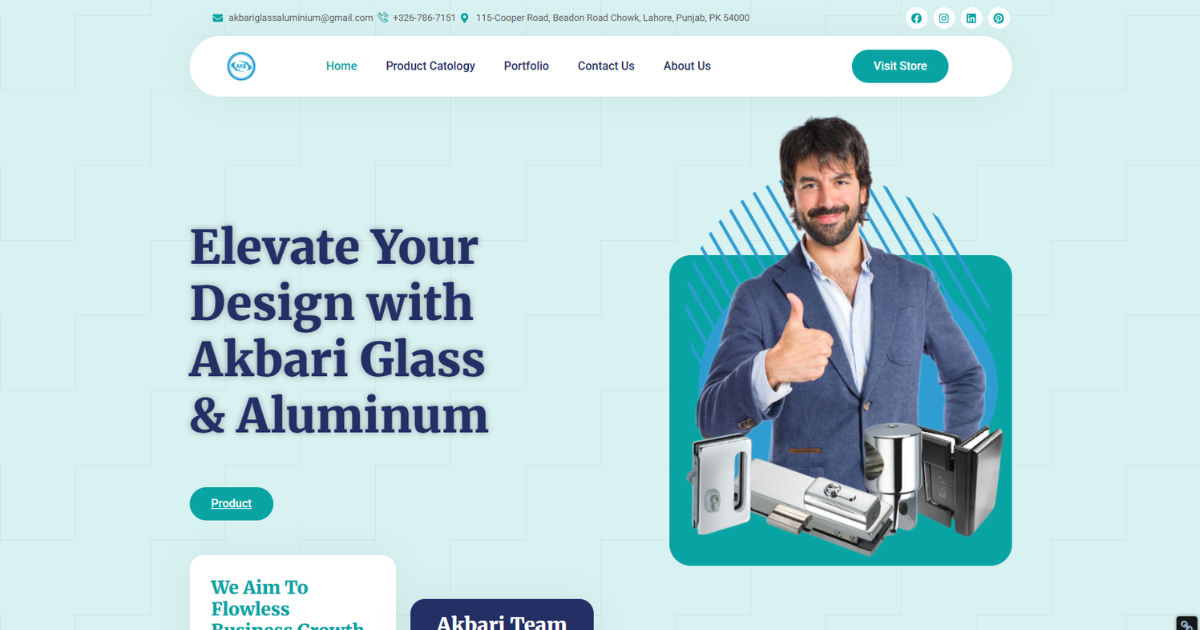 Whether you are installing frameless glass doors, sliding glass doors, or swing doors, selecting the right Glass Door Hardware ensures durability, safety, and long-term performance.
Today, architects and interior designers prefer glass because it creates bright, open, and elegant spaces. However, glass cannot function properly without quality hardware. Every hinge, handle, lock, clamp, pivot, and connector works together to support the glass while allowing easy opening and closing.
This comprehensive guide explains what Glass Door Hardware is used for, why it is important, the different types available, how to choose the right products, installation considerations, maintenance tips, and the benefits of investing in quality hardware.
Glass Door Hardware
Glass Door Hardware refers to all the components that support, secure, connect, and operate glass doors. These parts are specially designed for glass panels because glass requires unique mounting systems that avoid drilling or placing excessive pressure on the material.
Unlike wooden or metal doors, glass doors require hardware that evenly distributes weight while maintaining an attractive appearance. Modern hardware combines engineering with design, allowing glass doors to function smoothly without compromising aesthetics.
Glass Door Hardware is available in various finishes, including stainless steel, brushed nickel, matte black, chrome, satin finish, brass, and powder-coated colors to match different interior and exterior designs.
Why Glass Door Hardware Is Important
Glass doors look simple, but they rely on carefully engineered hardware for everyday operation.
Quality Glass Door Hardware provides structural support while reducing stress on the glass. It allows doors to open and close effortlessly while minimizing wear over time.
Proper hardware also improves user safety. Strong hinges, secure locks, and reliable door closers help prevent accidents while keeping buildings secure.
In commercial environments where doors operate hundreds of times each day, durable hardware ensures consistent performance and lowers maintenance costs.
Main Uses of Glass Door Hardware
Glass Door Hardware serves many purposes depending on the door design and application.
One major use is supporting heavy glass panels. Since tempered glass can be extremely heavy, hardware must safely carry the load without causing movement or instability.
Another important use is allowing controlled movement. Hinges, pivots, rollers, and tracks enable doors to swing, slide, or rotate smoothly.
Glass Door Hardware also provides security. Locks, cylinders, and access control systems protect homes and businesses from unauthorized entry.
Additionally, hardware enhances visual appeal. Premium finishes complement modern architecture while maintaining the clean appearance that makes glass doors so popular.
Types of Glass Door Hardware
Many different hardware components work together to create a functional glass door system.
Hinges
Hinges connect the glass door to a wall, frame, or another glass panel.
They support the door's weight while allowing smooth opening and closing. Different hinge designs are available depending on whether the door swings inward, outward, or both directions.
Quality hinges are manufactured from corrosion-resistant materials to ensure long-lasting performance.
Handles
Handles allow users to open and close glass doors comfortably.
They are available in many styles, including pull handles, ladder handles, knob handles, and designer handles.
Besides functionality, handles contribute significantly to the overall appearance of the entrance.
Locks
Locks improve safety and privacy.
Glass Door Hardware includes patch locks, central locks, floor locks, deadbolt systems, and electronic locking solutions.
Modern commercial buildings often combine locks with access control systems for improved security.
Patch Fittings
Patch fittings secure glass panels without requiring bulky frames.
These fittings clamp onto the glass while maintaining a sleek frameless appearance.
Patch fittings are commonly used in offices, shopping centers, hotels, and luxury residential buildings.
Door Closers
Door closers automatically return doors to the closed position after use.
This improves convenience, increases security, and reduces wear caused by doors being left open.
Hydraulic door closers provide smooth and controlled movement while minimizing impact.
Floor Springs
Floor springs are installed beneath the floor to support heavy frameless glass doors.
They allow doors to swing in both directions while automatically returning to the closed position.
Floor springs are popular in commercial entrances because they handle frequent use effectively.
Sliding Door Systems
Sliding systems use rollers, tracks, guides, and stops to move glass panels horizontally.
These systems save space and provide a modern appearance suitable for homes, offices, and conference rooms.
Glass Clamps
Glass clamps securely connect fixed glass panels.
They maintain structural stability while preserving the frameless design preferred in contemporary architecture.
Residential Applications
Glass Door Hardware is widely used in homes.
Homeowners install glass doors for shower enclosures, balconies, patios, kitchens, wardrobes, and interior partitions.
Quality hardware provides smooth operation while enhancing the beauty of living spaces.
Modern residential hardware is available in finishes that match faucets, cabinet handles, and other decorative elements.
Commercial Applications
Commercial buildings depend heavily on Glass Door Hardware.
Office entrances require durable hardware capable of handling thousands of opening cycles.
Hotels use premium hardware to create luxurious entrances.
Retail stores rely on secure locks, floor springs, and patch fittings to provide safe access for customers.
Hospitals, educational institutions, airports, and banks also depend on reliable Glass Door Hardware for daily operation.
Industrial Applications
Industrial environments use specialized Glass Door Hardware designed for demanding conditions.
Factories, laboratories, pharmaceutical facilities, and manufacturing plants require hardware that resists corrosion, chemicals, moisture, and heavy use.
Industrial-grade hardware is engineered to maintain performance even in harsh environments.
Materials Used in Glass Door Hardware
Material selection greatly affects durability and appearance.
Stainless steel remains the most popular option because it resists rust and corrosion while providing excellent strength.
Aluminum offers lightweight performance and is commonly used for sliding systems.
Brass provides an elegant appearance and excellent corrosion resistance.
Zinc alloys offer affordability while maintaining acceptable strength for residential installations.
High-quality coatings further improve resistance to scratches, moisture, and daily wear.
Benefits of High-Quality Glass Door Hardware
Investing in premium Glass Door Hardware offers many advantages.
It increases product lifespan, improves safety, reduces maintenance costs, enhances appearance, and provides smoother operation.
Premium hardware also withstands heavy traffic better than lower-quality alternatives.
Businesses benefit from fewer repairs and reduced downtime, while homeowners enjoy reliable daily performance.
How to Choose the Right Glass Door Hardware
Selecting the correct hardware begins with understanding the intended application.
Consider the weight and thickness of the glass panel before choosing hinges, floor springs, or sliding systems.
Evaluate whether the installation is indoors or outdoors.
Choose corrosion-resistant materials for humid or coastal environments.
Consider the expected traffic level. Commercial entrances require heavy-duty hardware designed for frequent operation.
Finally, select finishes that complement the surrounding architecture and interior design.
Installation Considerations
Professional installation is highly recommended.
Even premium Glass Door Hardware cannot perform correctly if installed improperly.
Accurate measurements ensure proper alignment.
Hardware must be tightened according to manufacturer specifications without placing excessive pressure on the glass.
Proper installation also improves safety and extends product life.
Maintenance Tips
Regular maintenance keeps Glass Door Hardware functioning properly.
Clean hardware using a soft cloth and mild cleaning solution.
Avoid abrasive chemicals that may damage protective finishes.
Inspect hinges, locks, handles, and floor springs periodically for signs of wear.
Lubricate moving parts when recommended by the manufacturer.
Replace worn components promptly to maintain safe operation.
Common Problems and Solutions
Like any mechanical system, Glass Door Hardware may experience occasional issues.
Loose handles can usually be corrected by tightening mounting screws.
Doors that do not close properly may require closer adjustment.
Squeaking hinges often benefit from proper lubrication.
Misaligned doors should be inspected by experienced technicians before further damage occurs.
Routine inspections help identify problems before they become expensive repairs.
Safety Considerations
Safety should always remain a priority.
Use hardware designed specifically for tempered or laminated glass.
Never overload hardware beyond its rated capacity.
Inspect installations regularly, especially in high-traffic commercial buildings.
Ensure locks, hinges, and floor springs continue operating correctly.
Following manufacturer recommendations significantly reduces safety risks.
Future Trends in Glass Door Hardware
The industry continues evolving with new technology.
Smart locks allow keyless access using mobile devices.
Soft-closing systems provide quieter operation.
Minimalist hardware supports ultra-modern architectural designs.
Advanced corrosion-resistant coatings increase product lifespan.
Sustainable manufacturing practices are becoming increasingly important as environmental awareness grows.
Conclusion
Glass Door Hardware is an essential part of every glass door system. It provides structural support, enables smooth operation, improves security, enhances safety, and contributes to the modern appearance of residential, commercial, and industrial buildings. From hinges and handles to locks, patch fittings, floor springs, and sliding systems, every component plays an important role in ensuring reliable performance.
Choosing high-quality Glass Door Hardware is a long-term investment that improves durability, reduces maintenance, and enhances user satisfaction. Proper installation and regular maintenance further extend the life of the hardware while ensuring safe and efficient operation. As technology continues to advance, Glass Door Hardware will become even more durable, secure, and visually appealing, making it an indispensable element of modern architecture.

 ahead_time
 sarcastic_guy