
 AsimAli
Keeping infants comfortable in different weather conditions is one of the biggest concerns for parents, especially during hot and humid days. Babies cannot regulate their body temperature as effectively as adults, which makes overheating a real risk when they are seated in strollers, car seats, or carriers for long periods.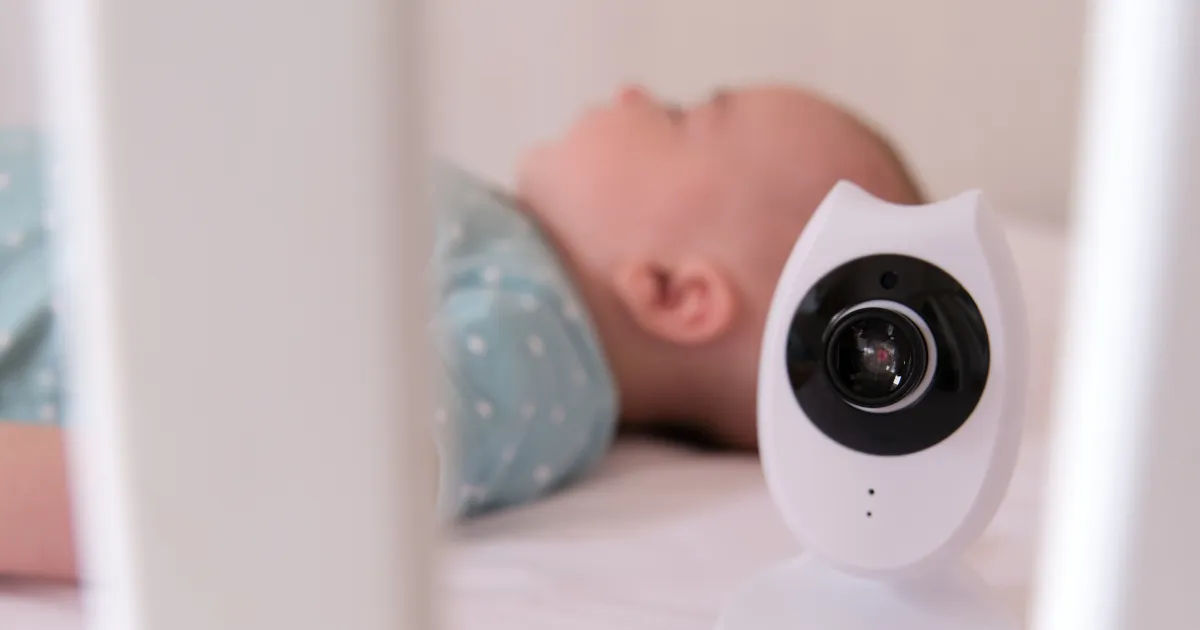
This is where a baby seat cooler becomes useful. It is designed to regulate temperature, improve airflow, and reduce sweating so that babies stay calm and relaxed.Modern parenting tools have evolved quickly, and devices like a Smart baby monitor now help parents track a baby’s environment in real time, including temperature and comfort levels.
When combined with cooling accessories, these technologies create a safer and more controlled environment for infants.In this guide, we will explore how a baby seat cooler improves comfort, how it works, what features matter, and how parents can use it effectively in daily life. We will also look at safety, maintenance, and real-world benefits so you can make informed decisions for your child’s comfort and well-being.
What Is a Baby Seat Cooler?
A baby seat cooler is a specially designed accessory that regulates temperature and airflow inside baby seating systems such as car seats, strollers, and bouncers. It works by circulating air, reducing heat buildup, and sometimes using cooling gel layers or ventilated materials.
Unlike traditional padding, which can trap heat, a baby seat cooler is built to prevent overheating. It helps maintain a stable and comfortable microclimate around the baby’s body.
Many modern parents also pair it with a Smart baby monitor to track temperature changes and ensure the baby is not getting too warm or cold during travel or sleep.
There are different types of baby seat coolers:
- Passive cooling pads made with breathable fabric
- Gel-based cooling inserts
- Battery-powered airflow systems
- Advanced ventilated seat liners
Each type has its own advantages depending on climate, usage, and budget.
Why Baby Comfort Matters So Much
Comfort is not just about keeping a baby happy—it directly affects their health, sleep quality, and development.
When a baby feels too hot or sweaty, several things can happen:
- Irritability and crying
- Poor sleep quality
- Dehydration risk
- Skin rashes due to heat and moisture
A baby seat cooler helps prevent these issues by maintaining a balanced temperature. When combined with a Smart baby monitor, parents can better understand how environmental conditions affect their child’s comfort.
Comfortable babies:
- Sleep longer and deeper
- Feed more regularly
- Cry less frequently
- Show better mood stability
Even short trips in a car seat can become uncomfortable if heat builds up quickly, especially in summer. A cooling system ensures the baby stays relaxed throughout the journey.
How a Baby Seat Cooler Works
A baby seat cooler works on a few basic principles: airflow, heat dispersion, and moisture control.
Airflow Technology
Some baby seat coolers include built-in fans or ventilated channels. These systems push air through breathable layers, reducing trapped heat. The constant airflow prevents sweat accumulation.
A Smart baby monitor can sometimes detect temperature increases in real time, helping parents activate cooling systems when needed.
Heat Absorption
Gel-based coolers absorb body heat and slowly release it. This helps maintain a stable temperature without sudden changes.
Moisture Control
Babies sweat easily, and moisture can cause discomfort. Cooling pads often use moisture-wicking fabrics that draw sweat away from the skin.
Together, these mechanisms create a balanced environment that prevents overheating and keeps the baby dry and comfortable.
Key Benefits of Using a Baby Seat Cooler
1. Prevents Overheating
Overheating is one of the biggest risks for babies in enclosed spaces. A baby seat cooler reduces this risk by improving airflow and reducing trapped heat.
A Smart baby monitor can alert parents if the baby’s environment becomes too warm, making it easier to take action quickly.
2. Improves Sleep Quality
A cooler and more stable temperature helps babies fall asleep faster and stay asleep longer. This is especially useful during travel or long stroller rides.
3. Reduces Skin Irritation
Heat and sweat can cause rashes or discomfort. Cooling systems reduce moisture buildup, keeping the skin dry and healthy.
4. Enhances Travel Comfort
Whether it’s a short drive or a long road trip, babies stay calmer and less fussy when seated in a cooled environment.
5. Supports Better Breathing
Excess heat can sometimes make breathing uncomfortable. A regulated temperature environment supports easier and more natural breathing patterns.
Types of Baby Seat Coolers Explained
Passive Cooling Pads
These are simple, non-electronic pads made from breathable fabrics. They allow air circulation naturally.
They are lightweight, affordable, and easy to maintain. Many parents use them along with a Smart baby monitor to track temperature changes.
Gel-Based Cooling Pads
These contain cooling gel layers that absorb heat and provide a refreshing surface for the baby.
They are effective but may require careful handling to avoid leaks or damage.
Electric Cooling Systems
These systems use small fans or airflow technology powered by batteries or USB connections. They actively circulate air.
They are more advanced and often preferred in extremely hot climates.
Hybrid Systems
These combine gel layers with airflow technology for maximum comfort and efficiency.
Safety Considerations
Safety is the most important factor when using any baby comfort product.
Here are key safety points:
- Always ensure the baby seat cooler is compatible with your seat model
- Avoid overheating electronic cooling systems
- Check for soft edges and non-toxic materials
- Do not block harness straps or safety belts
- Regularly inspect for wear and tear
A Smart baby monitor can add an extra layer of safety by tracking room temperature and alerting parents if conditions become unsafe.
Parents should also ensure that cooling accessories do not interfere with the baby’s natural posture or safety restraints.
How to Choose the Right Baby Seat Cooler
Climate Conditions
If you live in a hot and humid region, an active cooling system may be more effective. For mild climates, a passive cooling pad may be enough.
Seat Compatibility
Not all coolers fit every stroller or car seat. Always check size and compatibility before purchasing.
Material Quality
Look for breathable, hypoallergenic, and washable materials.
Ease of Cleaning
Babies can be messy, so choose products that are easy to clean and maintain.
Additional Features
Some advanced models integrate with a Smart baby monitor system, allowing parents to track temperature and comfort levels digitally.
Real-Life Scenarios Where Baby Seat Coolers Help
Long Car Rides
During long drives, car seats can heat up quickly. A cooling system keeps the baby comfortable throughout the journey.
Summer Stroller Walks
Outdoor walks in hot weather can become uncomfortable without proper airflow.
Daytime Naps
A baby sleeping in a stroller or seat benefits from stable temperature control.
Travel and Flights
Air travel can involve changing temperatures. A cooling pad helps maintain comfort.
In all these situations, using a Smart baby monitor helps parents monitor conditions and respond quickly if needed.
Maintenance and Care Tips
Proper maintenance ensures long-lasting performance.
- Wash fabric covers regularly
- Avoid harsh chemicals
- Recharge electronic cooling systems as needed
- Store in a dry, cool place
- Inspect wiring and fans if applicable
A clean and well-maintained baby seat cooler works more efficiently and keeps the baby safer.
The Role of Technology in Baby Comfort
Modern parenting is increasingly supported by smart technology. Devices like a Smart baby monitor help parents track not only sound and movement but also temperature, humidity, and overall comfort.
When combined with a baby seat cooler, this creates a smart comfort ecosystem where parents have better control over their baby’s environment.
Some advanced systems even sync cooling devices with monitoring apps, automatically adjusting airflow when needed.
This integration reduces guesswork and increases safety, especially for new parents.
Common Mistakes Parents Should Avoid
- Overusing electronic cooling systems in mild weather
- Ignoring compatibility with car seat safety straps
- Not checking temperature regularly
- Using low-quality materials that trap heat
- Forgetting to clean cooling pads regularly
A Smart baby monitor can help reduce these mistakes by providing real-time feedback on environmental conditions.
Future of Baby Cooling Technology
The future of baby comfort is moving toward smart integration and automation.
We can expect:
- AI-controlled cooling systems
- Smart fabrics that adapt to temperature
- Fully integrated seat systems with sensors
- Better connectivity with Smart baby monitor devices
- Eco-friendly and energy-efficient cooling solutions
These innovations will make baby care easier, safer, and more efficient for parents around the world.
Conclusion
A baby seat cooler is a simple but powerful tool that significantly improves infant comfort by regulating temperature, reducing moisture, and enhancing airflow. Whether used in cars, strollers, or travel seats, it helps prevent overheating and ensures a calmer, more comfortable experience for babies.
When combined with modern parenting tools like a Smart baby monitor, parents gain better control and awareness of their baby’s environment. This combination not only improves comfort but also enhances safety and peace of mind.
From passive cooling pads to advanced electric systems, there are many options available to suit different needs and climates. Choosing the right one depends on lifestyle, budget, and environmental conditions.
Ultimately, investing in proper cooling solutions is not just about comfort—it is about protecting a baby’s health, supporting better sleep, and creating a safer everyday environment.
